Football and technology
A console at Highbury
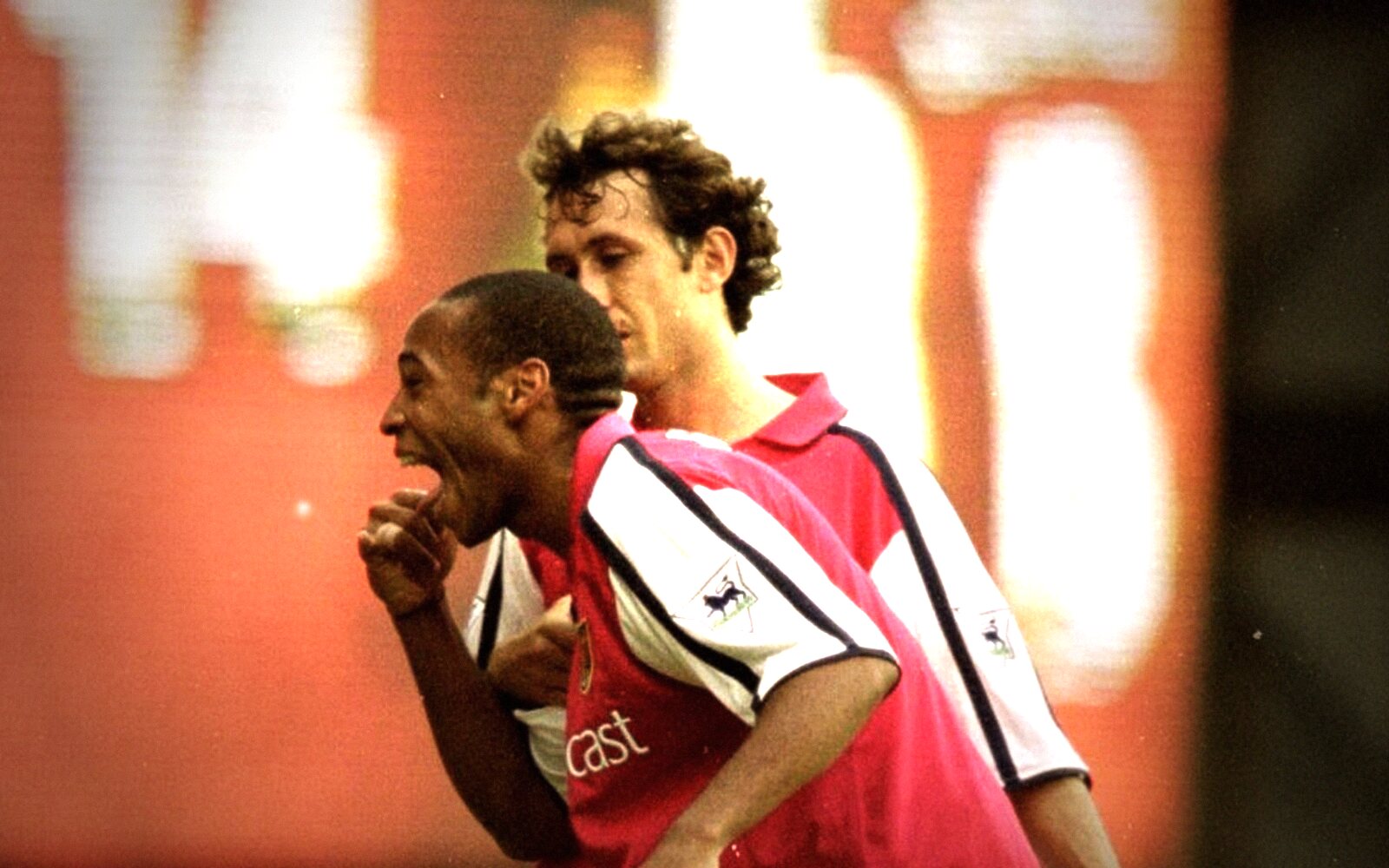
In 1999 Sega replaced JVC. The Dreamcast shirt placed a football club inside the launch story of a games console.
1999–2002 · Highbury's Last Act · 3 minute read
A contemporary announcement
On 22 April 1999, BBC News reported Arsenal's new sponsorship agreement with Sega, the company associated with Sonic the Hedgehog. The report placed the beginning of the agreement on 1 July and connected it with the planned September launch of the Dreamcast console. That contemporary account is a useful starting point because it describes the shirt partnership before it became a nostalgic object. The relationship was presented as part of a product launch, not as an exercise in commemorating football history. Looking back from the archive, it is easy to let the familiar sponsor name obscure that original forward-looking purpose. The shirt belonged to a campaign directed towards something new.
After eighteen years
The same BBC report marked the end of Arsenal's eighteen-year association with JVC. A change of sponsor therefore made a visible boundary within the club's shirt history. What Hi-Fi's later survey dates JVC's Arsenal partnership to 1981–99 and Sega's to 1999–2002, confirming the sequence. These are sponsorship periods, not a guarantee that every garment in each period carried precisely the same product wording. That distinction is particularly useful here, where the company and the console have different names. An archive should keep Sega, the partner, separate from Dreamcast, the product promoted through the association. The shirt can then be understood as a commercial message with a specific subject, rather than as a company name floating free of its launch context.
The launch beyond football
BBC News described Sega's investment in Dreamcast against competition from Sony and Nintendo. It also connected the European launch effort with sponsorship of the UEFA Champions League. Arsenal's agreement thus sat within a wider attempt to bring the console before a football audience. These contemporary connections give the garment a history beyond results on the pitch without requiring an invented explanation of individual supporters' buying habits. A viewer might remember the shirt through a player, a match or a machine at home, but those personal associations should not be presented as universal evidence. What the reporting establishes is the commercial alignment: football sponsorship was one of the ways Sega sought visibility for its new console.
A product becomes a period marker
What Hi-Fi's retrospective identifies Arsenal's 2002 domestic Double as a highlight in the final year of the Sega agreement. That is a reminder that a sponsorship chapter can intersect with sporting achievement without being reducible to it. The garment shown here is a reference point for the Dreamcast association, not proof that one unchanged shirt was used throughout every season of Sega's contract. In the archive, its value lies partly in that distinction between a particular object and a broader period. The product name now helps locate a turn-of-the-century commercial moment: after JVC, before the next sponsor, and alongside the ambitions of a games-console launch. Reading it with the contemporary announcement restores some of the future that the shirt was originally meant to advertise, rather than seeing only the past it now represents.