Cup finals
Five minutes in yellow
For eighty-five minutes the 1979 FA Cup final was a procession. Then it became the most frantic ending Wembley had seen, and a yellow shirt was there for all of it.
1978–79 · Doubles & Finals · 6 minute read
A comfortable afternoon
By half-time on 12 May 1979 the final looked settled. Brian Talbot had scrambled Arsenal ahead and Frank Stapleton had headed a second just before the interval, both goals flowing from the left foot of Liam Brady. Manchester United had plenty of the ball and very little else. In the stands, Arsenal supporters had the rare luxury of a cup final with nothing to worry about. The yellow shirts, with their blue collars and cuffs, moved across the Wembley turf with the easy confidence of a team that had already done the difficult part. It is worth remembering how ordinary the afternoon felt, because what happened next only makes sense against that calm.
The collapse
With four minutes left, Gordon McQueen bundled in a goal for United. It felt like consolation. Two minutes later Sammy McIlroy slalomed through the Arsenal defence and rolled the ball past Pat Jennings. In the space of a hundred and twenty seconds, a two-goal lead had vanished. Television viewers who had gone to put the kettle on came back to a different match. The Arsenal players stood with hands on hips, yellow shirts suddenly heavy. Extra time beckoned, and with it the very real chance that a team which had controlled the final would lose it to momentum alone.
Brady again
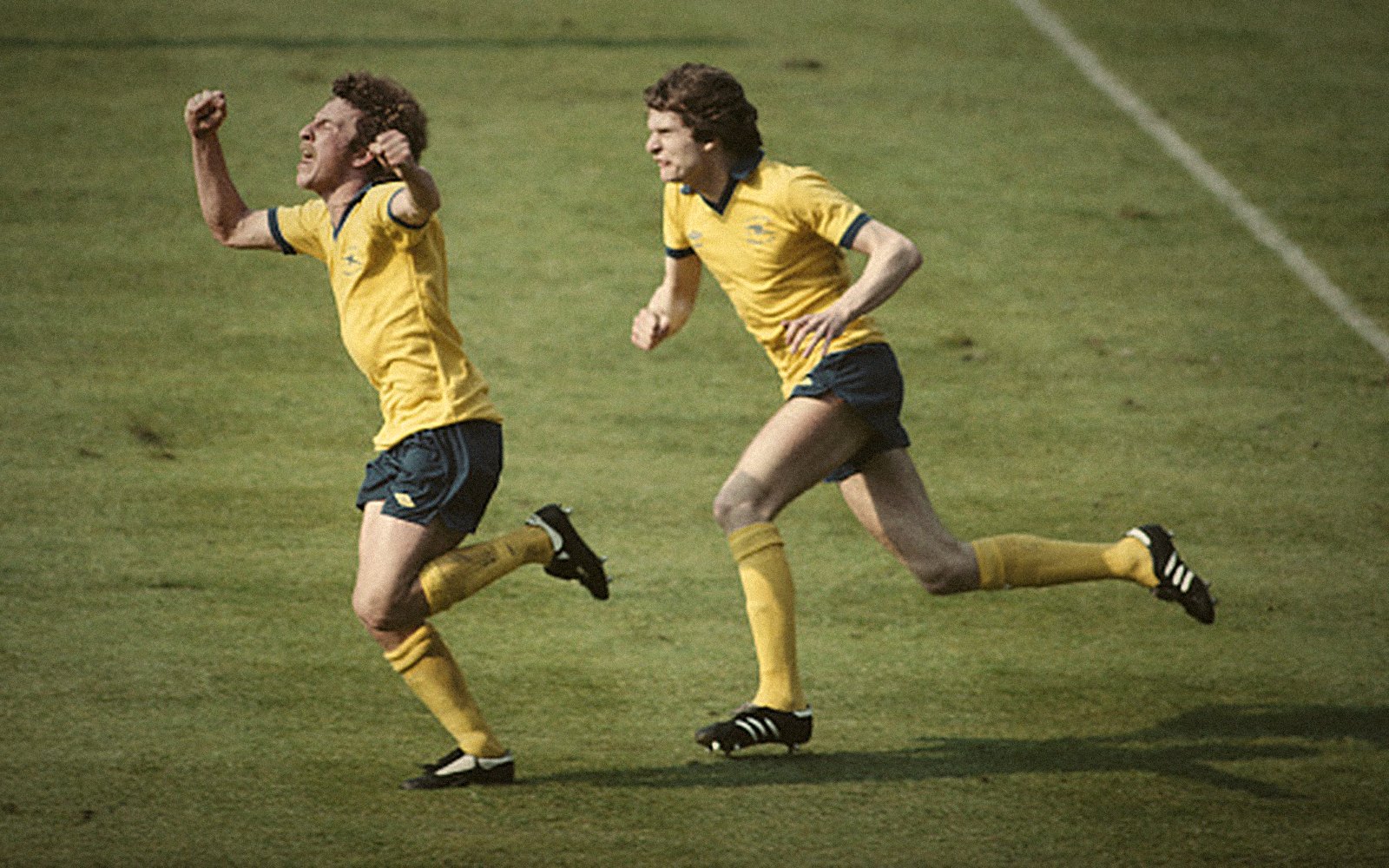
Arsenal kicked off and Brady did what great players do in a panic: he slowed down. He carried the ball forward, found Graham Rix on the left, and Rix's cross drifted beyond the goalkeeper to the far post, where Alan Sunderland slid in to score. The winner came almost straight from the restart after the equaliser. Sunderland's celebration, curly hair and arms flung wide as he ran away, became the defining picture of the day. Arsenal had won 3–2, and the match was christened the five-minute final, because that was all anyone could talk about.
Why yellow suits it
There is something fitting about the drama happening in the change kit. Yellow is a colour of alarm and of celebration in equal measure, and it photographs brilliantly against Wembley green. Arsenal's yellow-and-blue had already won the 1971 FA Cup; 1979 deepened the association between that colour and the club's biggest days out. Collectors still talk about the cup-final yellows as a family, and this one has the best story attached to it.
What to look for
Shirts from this period are simple: a crew or wing collar in contrasting blue, a small embroidered cannon crest, the maker's mark, and no sponsor at all. That simplicity is exactly what makes them hard to authenticate. Plenty of later retro reproductions copy the look closely. Weight of fabric, the construction of the crest, and wash labels are the details that separate a shirt from 1979 from a souvenir made decades afterwards. If a seller claims match-worn status, ask for the provenance trail before you ask for the price.